
 TonightOnScreen Catalog
Explore Entertainment • Mystery
Search our curated catalog of cinema releases, binge-worthy series, and where to stream them.
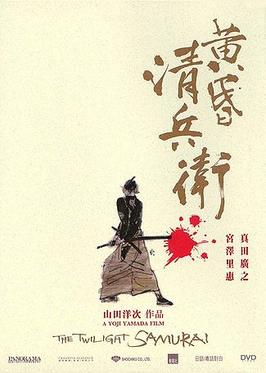
The Samurai and the Prisoner
<p><strong>The Samurai and the Prisoner</strong> (侍と囚人) is a gripping, historically authentic Japanese Jidaigeki samurai suspense thriller that combines the moral gravity of classic Bushido literature with the airtight deduction of a classic locked-room mystery.</p><p>Set in 1688 during the frosty winter of the Genroku period in the mountainous Echigo province. Inside a heavily fortified castle, a respected clan elder is discovered poisoned inside a snow-surrounded tea pavilion that was barred from the inside with no footprints leaving the perimeter. The sole person found hiding in the castle attic is Genkuro, a silent, one-armed wandering ronin who refuses to speak or plead for his life. With clan elders demanding a swift public execution, honorable magistrate samurai Jurozaemon is granted exactly thirty days to interrogate the prisoner, verify his guilt, and prevent an all-out civil war between rival retainer clans. Through fierce psychological duels across iron bars, Jurozaemon begins to suspect that the prisoner is not a ruthless assassin, but a guardian protecting an explosive secret that could shatter the Tokugawa shogunate.</p>

Oldboy
Directed by South Korean auteur Park Chan-wook as the second and most legendary installment of his celebrated The Vengeance Trilogy, Oldboy (2003) won the Grand Prix at the 2004 Cannes Film Festival, receiving rapturous praise from jury president Quentin Tarantino and permanently cementing the global dominance of modern South Korean cinema. Loosely adapted from the Japanese manga series by Garon Tsuchiya and Nobuaki Minegishi, the narrative begins in 1988 with Oh Dae-su (Choi Min-sik in a volcanic, feral, and emotionally shattering tour de force of method acting), an ordinary, obnoxious businessman and father who is abruptly kidnapped off a rainy street and imprisoned inside a bizarre, windowless hotel room with only a television set for company. Kept alive on fried dumplings and unaware of his captor's identity or motives, Dae-su learns via the TV that his beloved wife has been brutally murdered and that he is the prime suspect. For fifteen agonizing years, Dae-su conditions his body into a lethal weapon through shadowboxing against the wallpaper, feeding an insatiable hunger for retribution. Without warning, he is suddenly released inside a suitcase on a grassy rooftop, handed cash and a mobile phone, and given exactly five days by his enigmatic, wealthy captor Lee Woo-jin (Yoo Ji-tae) to solve the mystery: not why he was imprisoned for fifteen years, but why he was let go. Aided by a sympathetic young sushi chef named Mi-do (Kang Hye-jung), Dae-su embarks on a blood-drenched odyssey through Seoul's underworld, famously culminating in the legendary three-minute single-take side-scrolling corridor brawl where Dae-su battles dozens of armed thugs with only a claw hammer. Featuring Cho Young-wuk's lush, melancholic waltz soundtrack and Chung Chung-hoon's green-tinted cinematography, Oldboy is an operatic Greek tragedy of revenge, guilt, and devastating cosmic irony.
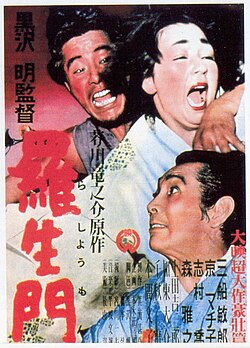
Rashomon
Rashomon is Akira Kurosawa's groundbreaking, globally celebrated psychological crime drama and philosophical milestone, winner of the Venice Golden Lion and an honorary Academy Award, which introduced Japanese cinema to the Western world and gave birth to the universally recognized psychological concept of the 'Rashomon Effect'. Set in eighth-century Heian-period Kyoto amidst civil war and societal decay, a horrified woodcutter, an emotionally shattered Buddhist priest, and a cynical commoner seek shelter from a torrential thunderstorm beneath the decaying, cavernous ruins of the southern city gate, the Rashomon. As the storm rages, the priest and woodcutter recount their harrowing experiences testifying at a police inquest regarding the brutal rape of a noblewoman and the murder of her samurai husband, Takehiro, in a dense forest clearing. The narrative unfolds through four radically contradictory, self-serving subjective flashbacks detailing the same violent tragedy: Tajomaru, a notorious bandit, portrays himself as a daring, swashbuckling warrior who won the woman in a heroic duel; the wife depicts herself as a helpless, victimized innocent driven by despair to accidentally kill her disdainful husband; the murdered samurai, testifying from beyond the grave through a spirit medium, claims he took his own life out of unbearable dishonor and betrayal; and the woodcutter reveals an unromantic, pathetic brawl driven by cowardice and stolen daggers. Through revolutionary cinematic techniques, dynamic camera tracking through sun-dappled forests, and haunting existential inquiries into human vanity and deceptive self-delusion, Rashomon is a peerless exploration of subjective truth.
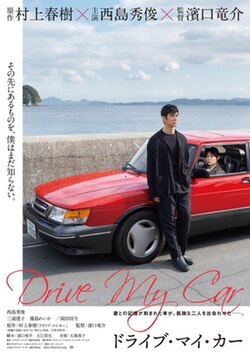
Drive My Car
Drive My Car is an exquisite, meditative, and emotionally profound drama directed by Ryusuke Hamaguchi, based on Haruki Murakami's short story, which captivated global critics and became the first Japanese film in history to be nominated for the Academy Award for Best Picture while winning the Academy Award for Best International Feature Film. The narrative follows Yusuke Kafuku, an accomplished, introspective Tokyo theater director and actor who enjoys a deeply intimate, creative marriage with his screenwriter wife, Oto, who invents intricate stories during their moments of intimacy. When Oto suddenly dies of a cerebral hemorrhage, Kafuku is left emotionally paralyzed by grief and unanswered questions regarding her hidden infidelities. Two years later, Kafuku accepts an artistic residency at a theater festival in Hiroshima to direct a multilingual stage production of Anton Chekhov's Uncle Vanya. Per insurance policy rules, the festival assigns him Misaki Watari, a reserved, stoic twenty-year-old chauffeur, to drive his cherished red Saab 900 Turbo along the coastal highways between his apartment and the rehearsals. Initially uncomfortable sharing his quiet automobile sanctuary, Kafuku develops an unexpected, tender therapeutic bond with Misaki during their daily coastal commutes. As Kafuku directs his diverse cast—including a volatile young television star who was Oto's former secret lover—he and Misaki gradually exchange confessions regarding their shared guilt, past tragedies, and unresolved grief. Praised for its sublime pacing, quiet humanism, and emotional catharsis, Drive My Car is an unforgettable journey through loss and the courage to endure.